
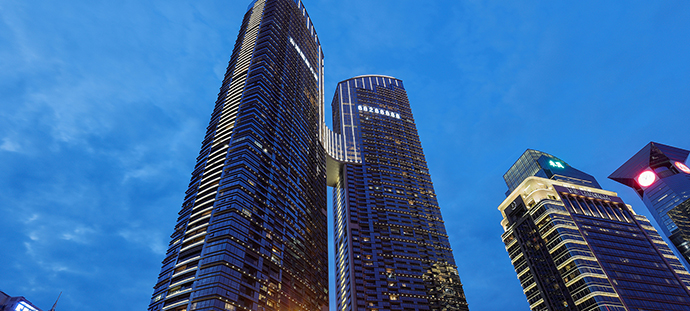
 Super High Rise Building
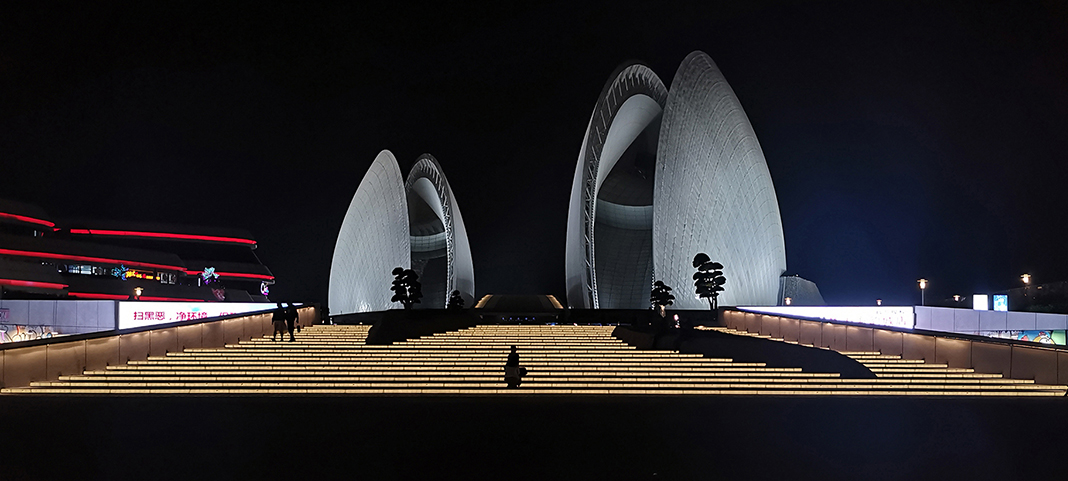 Cultural Tour Landscape
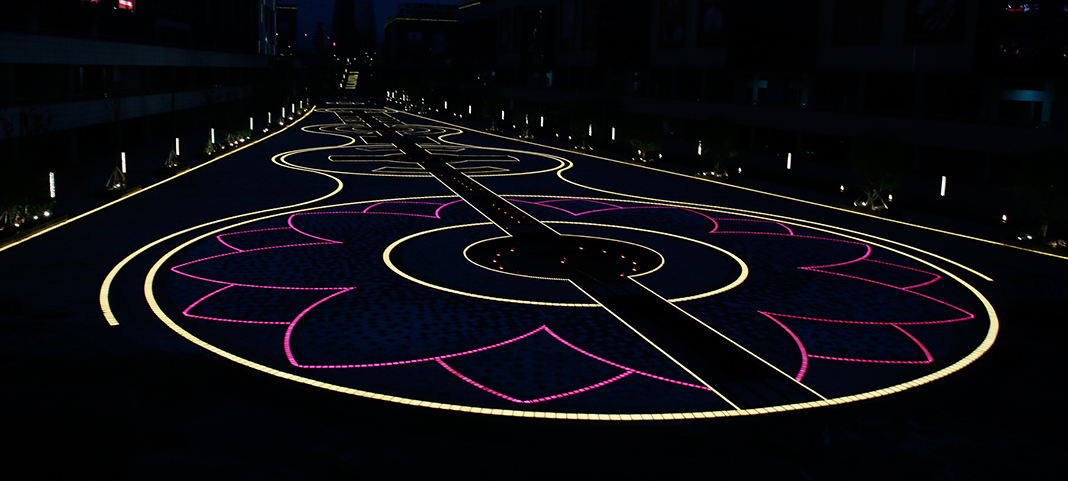 Municipal & Commercial Plaza
 Landscape
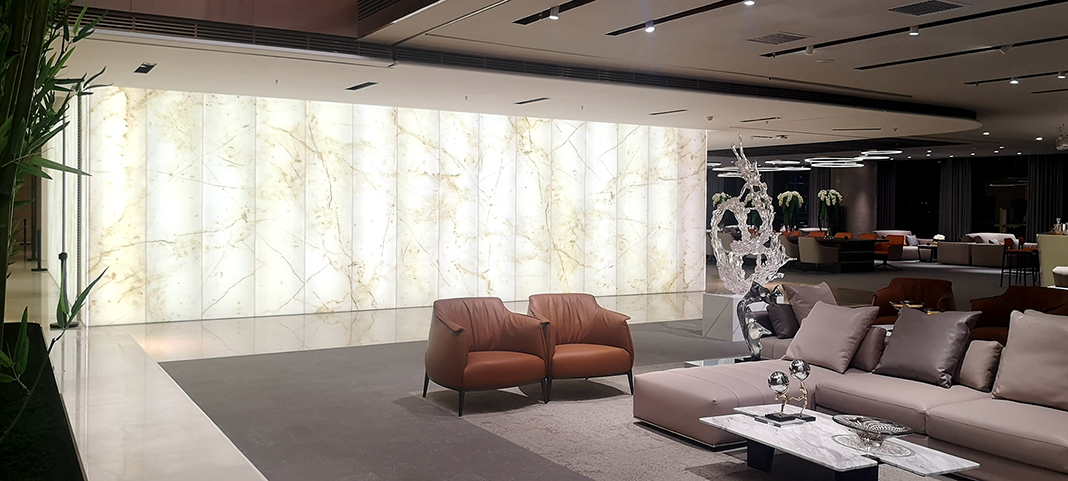 Interior Decoration
 English
 简体中文
简体中文LED paver lights are a systemic product. Every detail, from structural strength and heat dissipation to waterproofing, ease of installation, and maintenance costs, impacts the ultimate success of a project. From an engineering perspective, start by considering these five practical questions:
1. Can It Withstand Foot Traffic? Focus on Structural Strength & Surface Finish.
- Key Questions: Is the surface material tempered glass? What is the slip resistance rating (Wet Pendulum Test R-value)?
- Practical Advice: For pedestrian walkways, LED paver lights must use tempered or ultra-clear tempered glass for strength and clarity. The surface should employ anti-slip treatment to ensure safety in rain or snow. For commercial plazas that may see light vehicle traffic, the load-bearing structure requires specific reinforcement.

△ Shone LED paver lights come with comprehensive test reports covering anti-slip properties, wear resistance, IP waterproof ratings, and IK impact resistance levels.
2. Is It Built to Last? Sealing and Heat Dissipation Are Key to Longevity.
- Key Questions: Does the ingress protection rating meet IP67? How is the heat generated by the LEDs managed?
- Practical Advice: IP67 is the baseline for ensuring no water ingress during long-term immersion. More critical is the thermal management design. Inquire about the manufacturer's heat dissipation approach (e.g., metal conduction frames, air convection channels), as this directly impacts the rate of lumen depreciation and brightness performance after 3-5 years.
3. Is Installation Straightforward? Prioritize Burial Depth & Wiring Methods.
- Key Questions: What are the specific requirements for the sub-base and burial depth? Is the wiring system modular with quick-disconnect plugs or a separate setup?
- Practical Advice: Obtain detailed installation cross-section drawings before construction. Clarify the embedment depth, concrete fixing requirements, and drainage slope. Prioritize products with modular designs and quick-connect waterproof plugs. This significantly reduces on-site installation complexity and facilitates future single-point maintenance or replacement.
4. How Are Repairs Handled? Factor in Maintenance Costs Upfront.
- Key Questions: If a single module fails, how is it replaced? Does it require breaking up the entire paved area?
- Practical Advice: Choose a panel structure that allows for independent, non-destructive removal. Ensure faulty modules can be extracted from the surface using specialized tools without large-scale demolition. Before purchasing, understand the lead time and cost for replacement modules and include this in long-term maintenance planning.
5. Is the Light Comfortable? Beware of Ground-Level Glare.
- Key Questions: Is the light emitted directly upward or via side-emitting LEDs with light guides? Is it dazzling from a normal standing viewpoint?
- Practical Advice: Avoid products with direct upward light emission. Opt for designs using side-emitting LEDs combined with light guide plates to achieve uniform luminance across the entire panel, producing soft, glare-free light from any viewing angle. Request to see a physical sample and experience the light quality from different distances and angles.
