
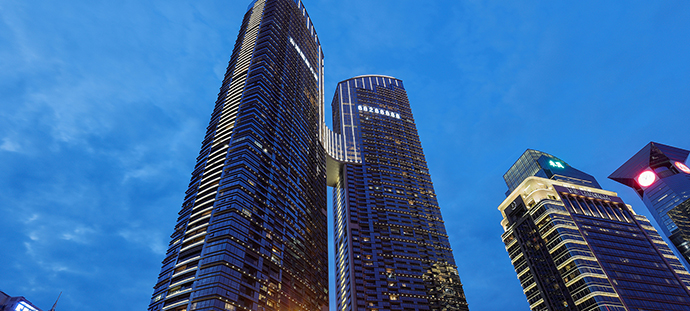
 Super High Rise Building
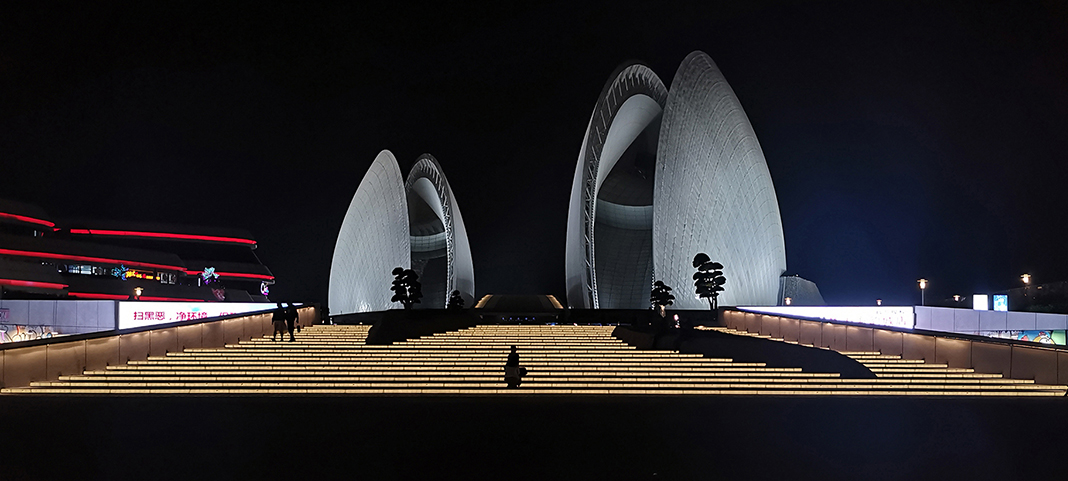 Cultural Tour Landscape
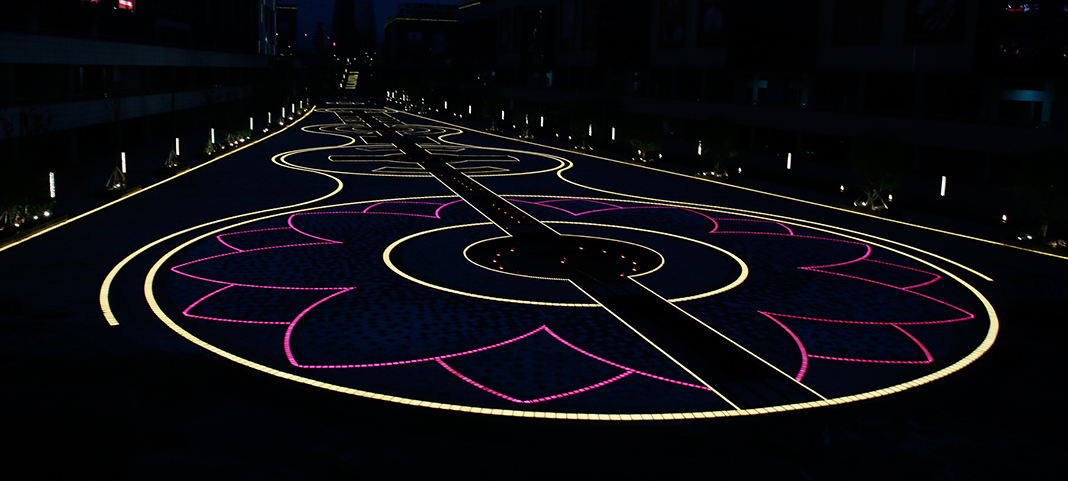 Municipal & Commercial Plaza
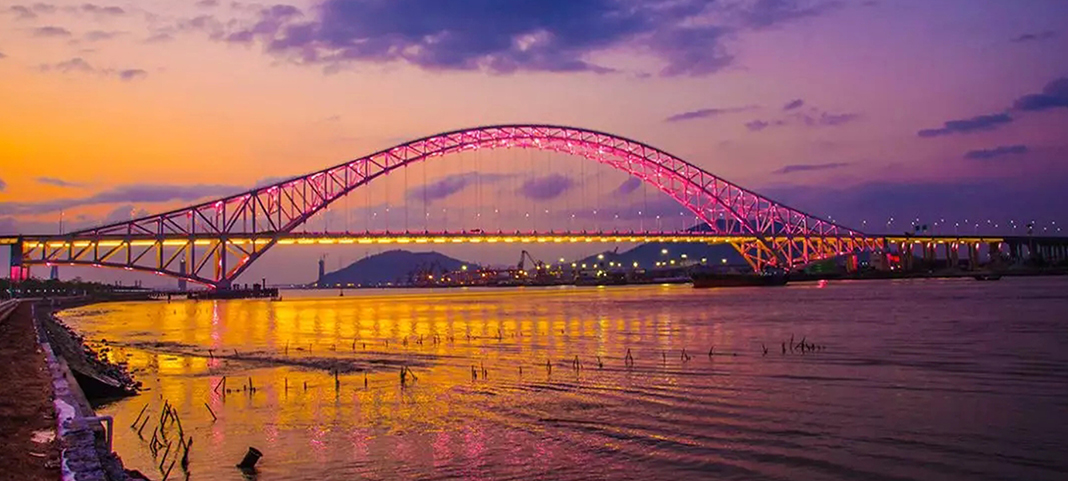 Landscape
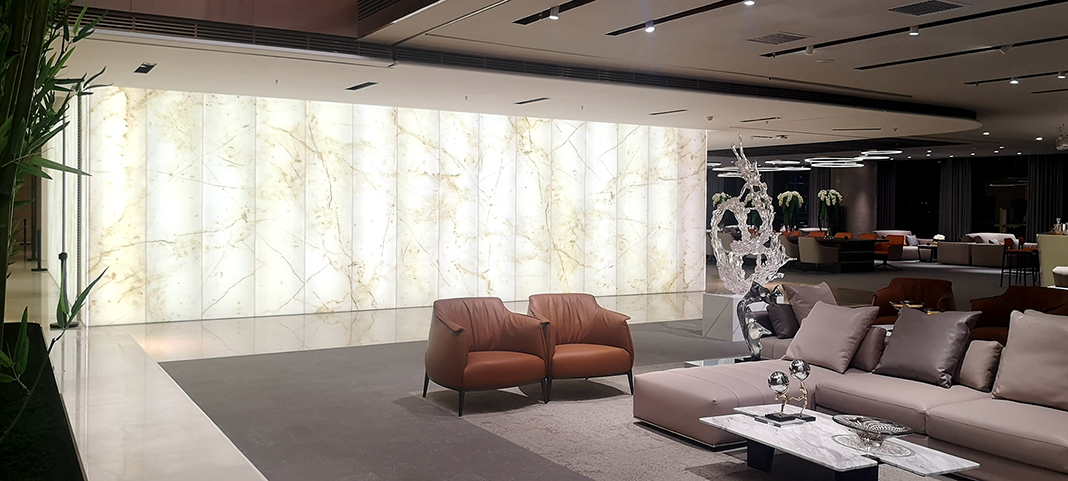 Interior Decoration
 English
 简体中文
简体中文-
What is DMX512?
DMX512 is a professional digital lighting control protocol. "DMX" stands for Digital Multiplex, and "512" refers to the number of control channels available on a single data link. Established in 1990 by the USITT, it is now the universal industry standard for lighting control.
This protocol uses digital signals to precisely manage lighting parameters like brightness, color, and dynamic effects. Each fixture in the system is assigned a unique address, allowing it to identify and respond to its specific instructions. By processing these commands, individual lights adjust their output, enabling complex and synchronized displays in large-scale installations.
DMX512 uses a one-way asynchronous serial transmission with a data rate of 250kbps. Each data packet consists of a start bit, eight data bits, and two stop bits (11 bits total). Every data bit carries a value from 0 to 255, controlling different light functions. For instance, a brightness value of 0 is the dimmest, while 255 is the brightest.
-
Applications of DMX512
Its powerful control capabilities unlock a wide range of lighting possibilities for outdoor architectural flood lighting and landscape lighting. Through precise color mixing, dynamic effects, and scene changes, DMX512 brings structures and spaces to life with visual impact and expression.
-
DMX512 Control System Components
A typical DMX512 control system, like those implemented by Shone Lighting, is both efficient and scalable. Key components include:

1. Main & Slave Controllers: The central processing units of the system. They store the control software, visual interfaces, and programmed lighting sequences, serving as the primary operator interface.
2. Switching Power Supply: For safety, outdoor lighting often uses low-voltage power. These units convert 220V AC to a safe DC low voltage for the fixtures.
3. Lighting Fixtures: This includes a variety of products such as wall washers, linear lights, floodlights, LED brick lights, and LED wall tiles.
4. Signal Amplifiers: To prevent data loss over long cable runs, signal amplifiers are used to boost and ensure reliable data transmission across the entire system.

